
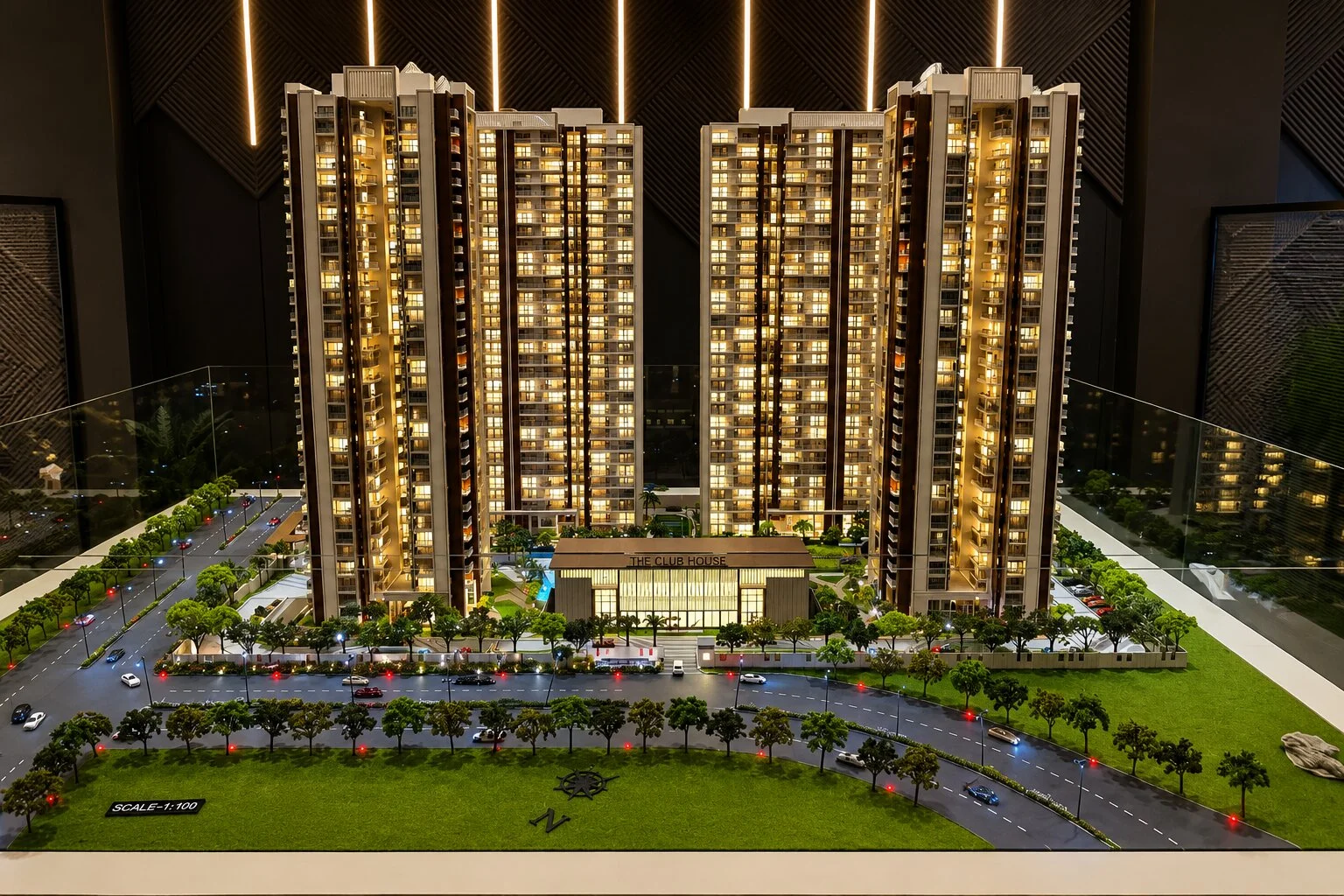

Most architects learn how to work with model makers by trial and error. Early projects teach them that late drawings cause delays, that vague instructions produce vague results and that the cheapest quote often hides extra charges. By the third or fourth model, they’ve developed habits that make the whole process smoother.
You don’t have to learn it all the hard way. This guide collects the practical lessons: what to prepare, what to ask, how to handle changes and how to build a relationship that works over many projects. Whether you’re hiring an architectural model maker india for the first time or the fiftieth, there’s something here that should save you some time and a few headaches.
Prepare Your Drawings Before You Call
The more complete your information, the better your quote and the shorter the build. Gather plans, sections, elevations and, if you have one, a 3D model. Mark the important areas and note what’s final and what may still change.
If drawings are incomplete, say so. Makers can often work with partial information, and many will suggest placeholder treatments for undecided areas. What they can’t do is read your mind, and guessing leads to rework. A simple one-page note covering scale, size, materials and deadlines helps a great deal.
Write a Brief That Actually Helps
A good brief doesn’t need to be long. It should say what the model is for, who’ll see it, where it’ll be displayed, the preferred scale and approximate size, the look and feel you want and the deadline. Add reference images if you have them.
Mention the audience in particular. A model for a bank officer reviewing a loan is different from one for a jury looking at design thinking or buyers walking through a gallery. When the maker understands who you’re trying to impress, they make better decisions about detail, colour and finish.
Compare Quotes the Right Way
It’s tempting to pick the lowest figure, but two quotes are rarely for the same thing. One may include lighting, a base and packing. Another may not. One may use acrylic where the other uses cheaper board. Always ask for itemised quotes so you can compare like with like.
Look at the proposed timeline as well, and what’s included in revisions. A slightly higher price from a studio that explains clearly what it will deliver is usually better value than a bargain that leaves you chasing missing parts. A responsible architectural model maker india will gladly answer detailed questions and won’t be offended by them.
Set Up the Right Payment Structure
Most studios take an advance to begin, with further payments tied to progress and the balance on delivery. This protects both sides. You aren’t paying for work that doesn’t exist yet, and the maker isn’t carrying all the cost of materials and labour.
Be wary of arrangements where the full amount is expected before work starts, or where there’s no written record of what’s been agreed. A simple written agreement covering scope, price, timeline, revision policy and payment schedule is enough for most projects.
Make Approvals Quick and Clear
Many delays come from slow feedback. When a maker sends photos or a digital preview for approval, try to respond within a day or two. If several people need to review, collect comments into a single reply instead of sending scattered messages.
Be specific too. “Make it look better” doesn’t help. “The podium is too dark, please use the lighter grey from the sample” gives a clear direction. Marked-up photos work wonderfully for pointing out exactly what you mean.
Plan for Revisions Without Panic
Changes will happen. A client asks for a different tower height, the municipal approval alters a setback or the marketing team wants a new colour scheme. Report changes as soon as you learn of them and ask how they affect time and cost.
It helps to separate cosmetic changes from structural ones. Colour, trees and labels can often be changed late, with little trouble. Heights, footprints and building positions are far more disruptive once cutting has begun. Understanding the difference lets you make smarter decisions about when to push for a change.
Understand What Drives the Price
Price usually comes down to a handful of things: overall area, scale, level of detail, materials, number of buildings, landscaping, lighting, special features and the time available. A large masterplan with simple blocks can cost less than a small villa filled with delicate details.
If you need to bring costs down, discuss options early. Perhaps the site can be simplified at the edges, or interiors can be left out. Maybe a smaller scale will do. These conversations are easier when you’re honest about the budget, and most makers will happily suggest ways to protect the quality of the main focus.
Think About Delivery and Installation
Ask who’s responsible for transport, insurance and setup. For local jobs, a studio’s own team may deliver and install. For long distances, a courier or specialised cargo service might be used, and the model may be built in sections for easier handling.
Visit the venue, or at least collect measurements and photographs, before delivery. Check access, lifts, doorways and floor levels. A last-minute discovery that the model won’t pass through a narrow door can ruin an otherwise perfect project.
Building a Long-Term Working Relationship
If you expect to order models regularly, treat the maker as a partner. Share future project pipelines when possible, give honest feedback and pay on time. In return, many studios offer priority scheduling, helpful advice during design and sometimes better rates for repeat work.
Feedback matters on both sides. Tell them what worked and what didn’t, and listen when they raise concerns about your drawings or timelines. The most productive relationships are the ones where both parties talk straight.
Looking Beyond the Single Project
Models are assets. After the presentation or sales launch, they can serve in the reception, a corporate museum or a portfolio exhibition. Ask your maker about storage, display covers and refurbishment options if the project continues for years.
Some studios also keep digital records of the model, such as drawings and photos, so they can recreate or update the piece in the future. That’s useful for long projects that change in phases.
Questions Worth Asking in the First Meeting
A short list helps you judge a studio quickly. Who will be building my model, and who is my point of contact? How many projects are you running at the moment? Can I see work similar to mine? What happens if I want a change after painting starts? How do you pack and deliver? What’s your policy if something arrives damaged?
Listen to the manner of the replies as much as the content. Calm, direct answers suggest a team that has dealt with these situations many times. Long silences or vague promises suggest the opposite. It’s also fine to ask for contact details of a recent client, since a short call can tell you a lot.
Common Problems and Simple Fixes
Late drawings are the most frequent cause of delay, and the fix is to share even partial files early. Another is unclear colours, which you can solve by sending sample swatches or photos. A third is scope creep, where extras get added without agreement. Handle it by confirming any additional request in writing, with a revised price and date. Finally, mismatched expectations about finish can be avoided by asking to see a sample or an earlier model of similar quality.
Keeping Records
Treat the model like any other project deliverable. Save the brief, the approved drawings, photos from each progress stage and the final delivery note. If any question comes up later, from your client or your own team, these records settle it fast.
A Note on Honesty in Both Directions
Good projects depend on straight talk. If your budget has shrunk, say so before work begins. If a deadline is soft, admit it, and if it’s truly fixed, stress it. Makers appreciate this, because it lets them plan labour and materials properly. In return, expect them to tell you when something won’t work, or when a date is unrealistic. Hearing a polite “no” early is far better than receiving a rushed, disappointing model on the last day.
Final Thoughts
Working with a model maker doesn’t need to be stressful. Clear drawings, a short and honest brief, sensible approvals and a fair agreement solve most problems before they begin. The rest is a matter of respect and regular communication.
When you start your next search for an architectural model maker india, bring the same care you’d bring to choosing any key collaborator. Look at past work, ask questions, compare quotes properly and trust the people who give honest answers. The right partner makes your designs easier to understand, your presentations more persuasive and your projects a little more enjoyable to deliver.